
After returning from Russian captivity, Ukrainian civilians most commonly face problems with housing, access to medical care, document restoration, obtaining official status, and meeting basic financial needs. Psychological rehabilitation and the need for social support remain additional challenges.
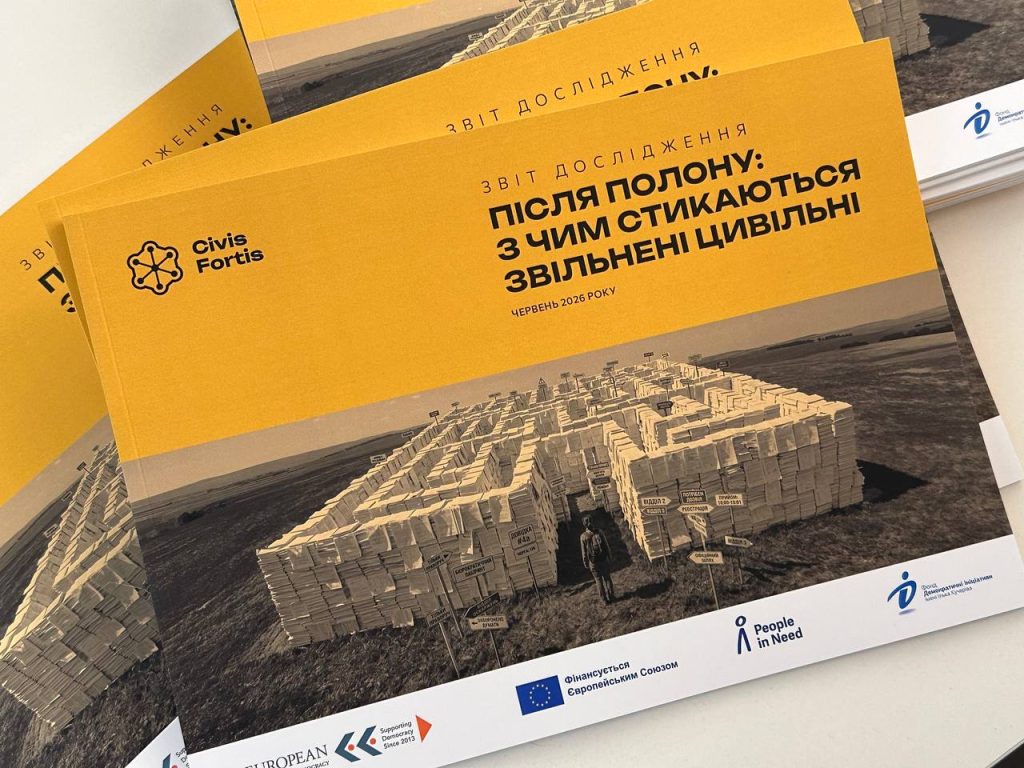
These are the findings of the study “The Aftermath of Captivity: What Released Civilians Face“, initiated by the Civis Fortis Civil Society Protection Foundation. The research was conducted by the Ilko Kucheriv Democratic Initiatives Foundation. The results were presented on June 9th at a press conference in Kyiv.
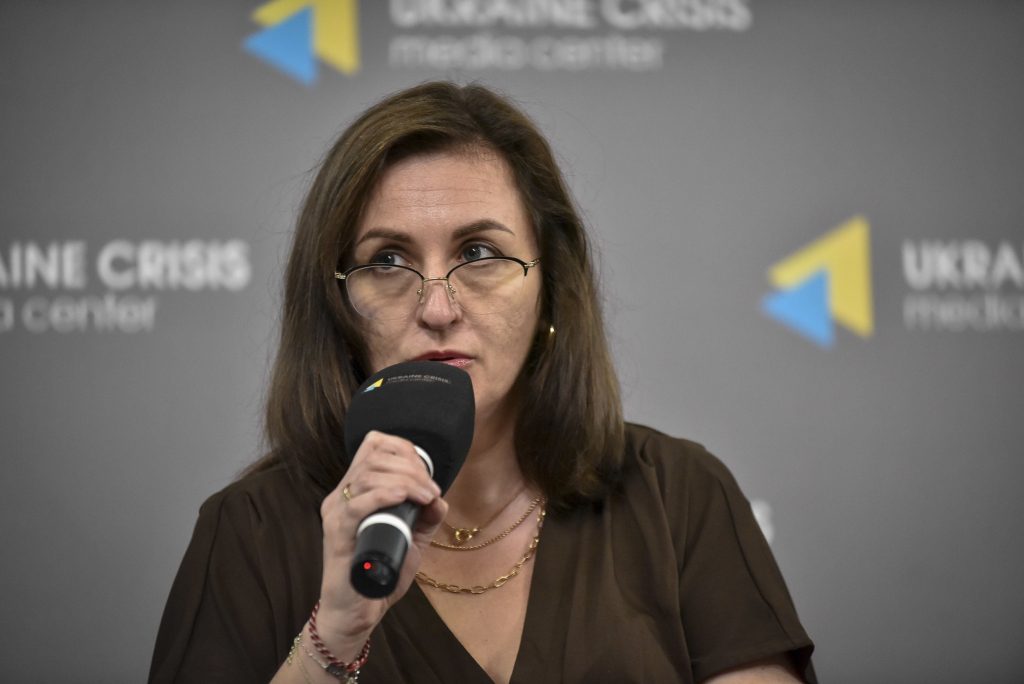
Anastasiia Odintsova, legal analyst at Civis Fortis, notes that the organization has been helping civilians after captivity for over a year:
“This study holds special significance for our organization, as it became a natural extension of the practical work with released civilians we have been carrying out for over a year. In our day-to-day work, we saw that released civilians face a complex of problems — from medical treatment and document restoration to finding housing and receiving state assistance. That is why it was important for us to move from individual stories to a systemic analysis and to verify how typical these problems are. The research results confirmed our practical observations.”
The study included three focus group discussions and 13 in-depth interviews with 36 released civilians, as well as surveys of 25 experts — representatives of state bodies, human rights, civil society, and charitable organizations working with post-captivity survivors. All focus groups and interviews were conducted under conditions of anonymity.
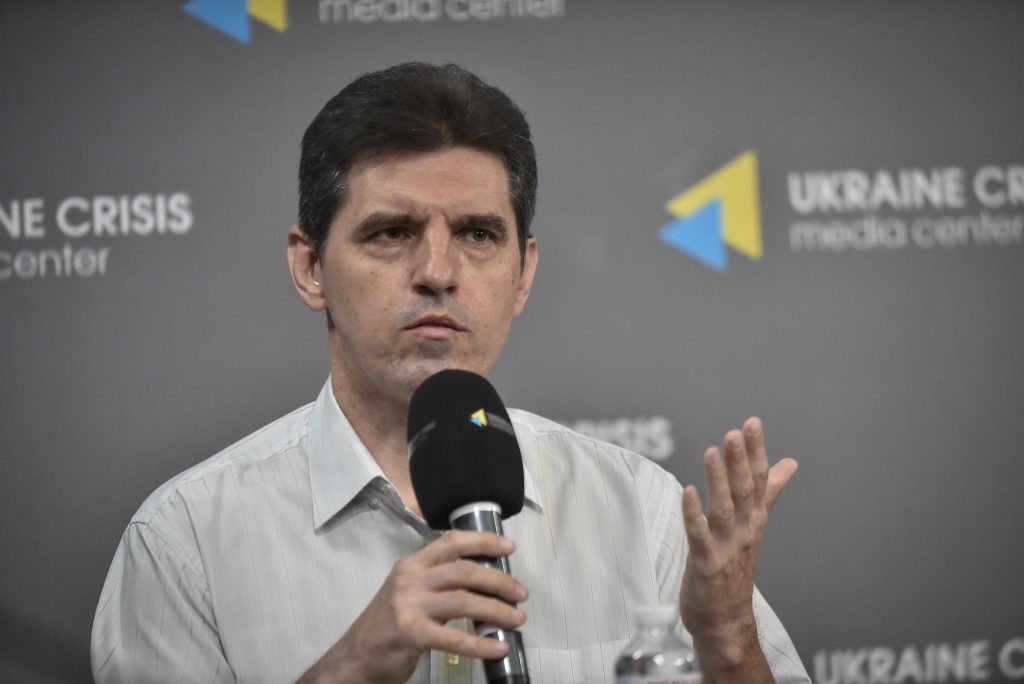
According to Maksym Parashchevin, an expert at the Ilko Kucheriv Democratic Initiatives Foundation, the state support system currently does not provide comprehensive assistance to people after release, particularly regarding medical care:
“According to the testimonies of released civilians, they receive primary medical care for a limited period — often in the form of diagnostics and recommendations without follow-up treatment. Yet as a result of captivity and torture, people often have serious health problems and need extended specialized treatment and rehabilitation, which is currently not provided.”
The study also showed that the majority of released civilians have no housing of their own. Many left their property in temporarily occupied territories, so after returning, they are forced to live in temporary shelters, modular settlements, dormitories, or rented accommodation.
“If I talk about what the state does not currently cover, it is first and foremost housing and dental care. Without the help of specific individuals and civil society organizations, things would have been much harder for me,” says Kostiantyn Davydenko, who is from the Donetsk region and spent seven and a half years in Russian captivity in occupied Crimea.
Restoring basic documents — a passport, tax identification number, or IDP certificate — is in most cases fast. At the same time, released civilians face difficulties in restoring diplomas, confirming employment records, obtaining pension documents, and completing other paperwork.
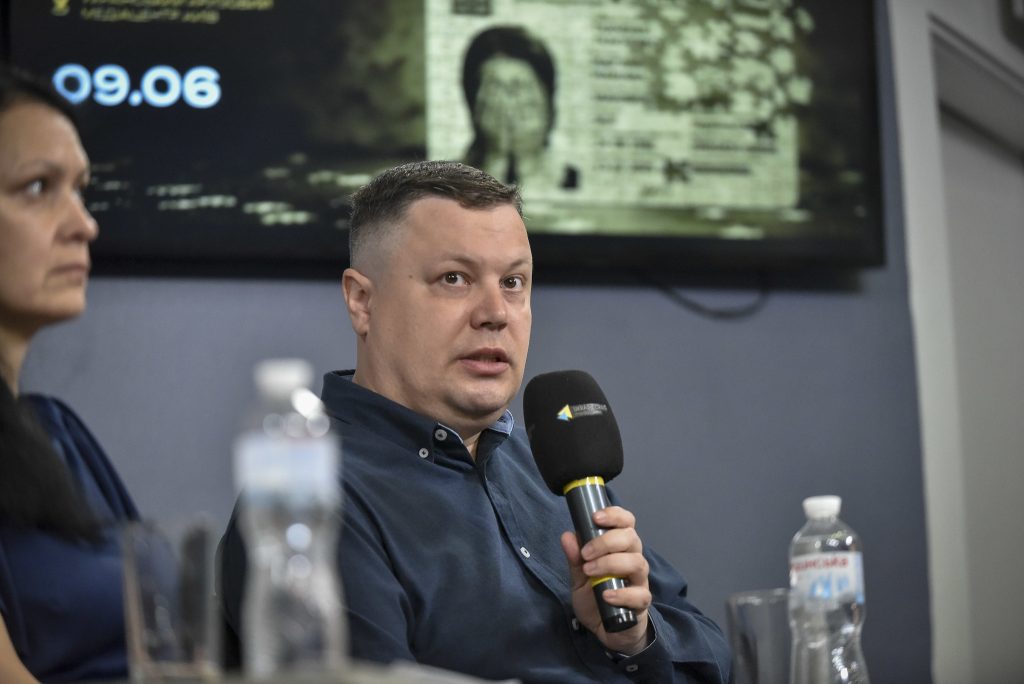
A separate problem is obtaining the status of a person deprived of personal liberty as a result of the armed aggression of the Russian Federation:
“To obtain this status, documentary proof of being held in unlawful detention is required, which people often do not have. As of 2025, approximately one-third of those surveyed in the study were unable to obtain this status for precisely this reason,” says Maksym Parashchevin.
It is most difficult to prove unlawful imprisonment for those who returned independently, outside official exchanges. As a result, they cannot access state guarantees and payments.
“I hoped that after returning, someone would explain what assistance I was entitled to and how to get it. Instead, I had to figure out the paperwork myself and prove what I had been through,” says Olena Yahupova, a resident of the Zaporizhzhia region who, after independently returning, had to fight for official recognition of her unlawful detention and forced labor.
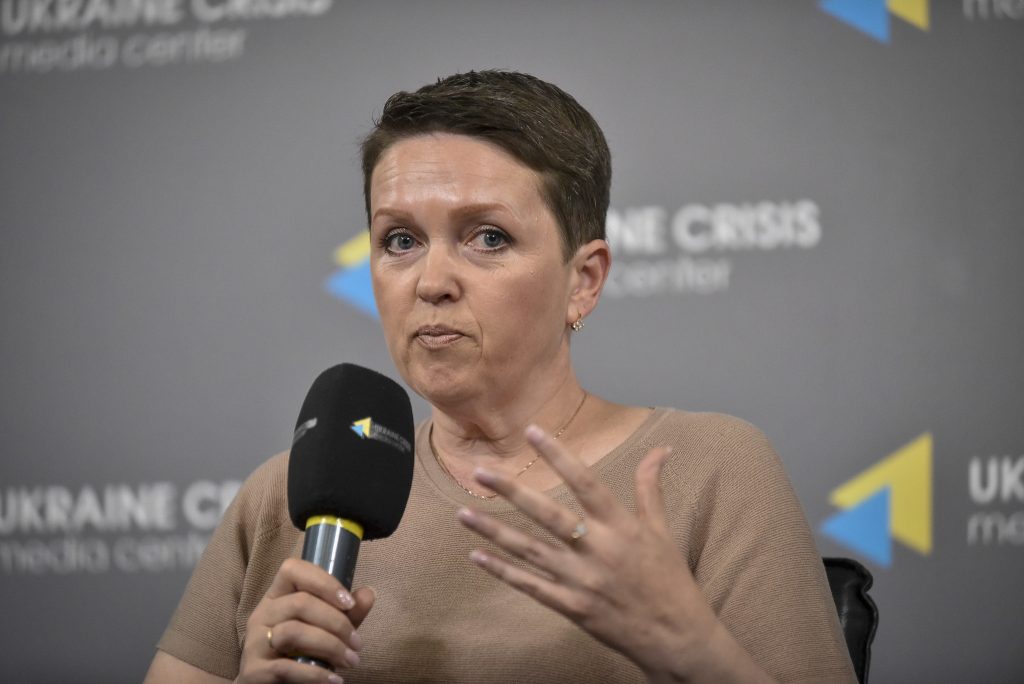
Financial needs arise immediately after release, yet state assistance arrives with a delay. Moreover, the one-time payment of 100,000 hryvnias has not been revised since 2018 and, in the view of study participants, no longer reflects the real needs of people after captivity.
The majority of those surveyed require long-term psychological support. At the same time, experts note a shortage of specialists trained to work with people who have experienced captivity.
A separate conclusion of the study is the need for long-term social reintegration of released civilians. After returning, people often need help with paperwork, accessing medical and social services, finding housing, and rebuilding independent lives. Meanwhile, the current system lacks a sufficient number of trained social workers, and individual case management for released civilians is virtually nonexistent.
In the view of Tetiana Katrychenko, head of the Media Initiative for Human Rights and member of the Commission on Establishing the Fact of Deprivation of Personal Liberty as a Result of Armed Aggression against Ukraine, operating under the Ministry of Communities and Territories Development, the state must now designate within the Government a body specifically responsible for civilians after captivity:
“A basic support system is also needed for people who have suffered from, among other things, torture, unlawful deprivation of liberty, enforced disappearances, and so on. We are saying that support is needed for all civilians detained as a result of the armed aggression against Ukraine, regardless of whether they demonstrated a pro-Ukrainian stance or not, or whether they openly opposed the occupation or not.”
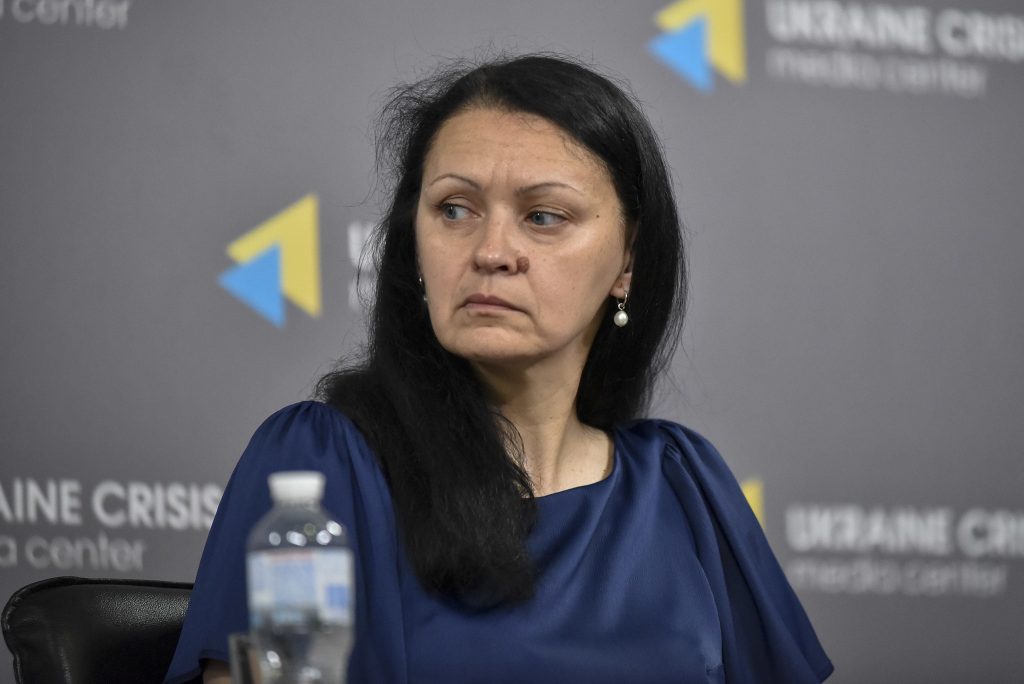
Study participants emphasize that released civilians need not one-time assistance but long-term, systemic support. The experts surveyed recommend developing specialized medical and psychological rehabilitation programs, creating mechanisms for temporary housing provision, simplifying procedures for obtaining official status, and strengthening inter-agency coordination.
“For Civis Fortis, this study is not the end of the work. On the contrary — it has become the starting point for the next stage. Drawing on the findings of this study, as well as practical experience accompanying released civilians, we have conducted additional analysis of the regulatory framework, judicial practice, assistance mechanisms, and international experience. We are currently finalizing a separate analytical document that will contain detailed recommendations for improving the support system for released civilians and their family members,” said Anastasiia Odintsova, legal analyst at Civis Fortis.
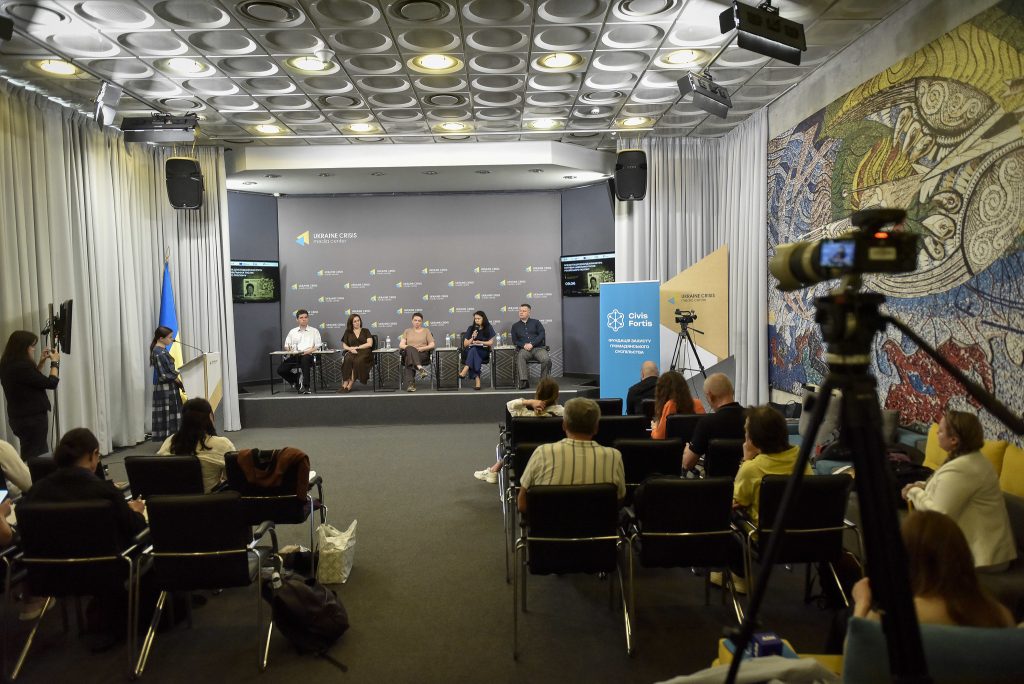
The full text of the study is available in English here.
An English-translated video recording of the event is available here.
Additional information: Iryna Ivanchenko, 099 772 56 67, ii@civisfortis.org.ua
This event was held with the financial support of the European Union, provided by the European Endowment for Democracy (EED). The content of the event is the sole responsibility of Civis Fortis and does not necessarily reflect the views of the European Union or EED.