
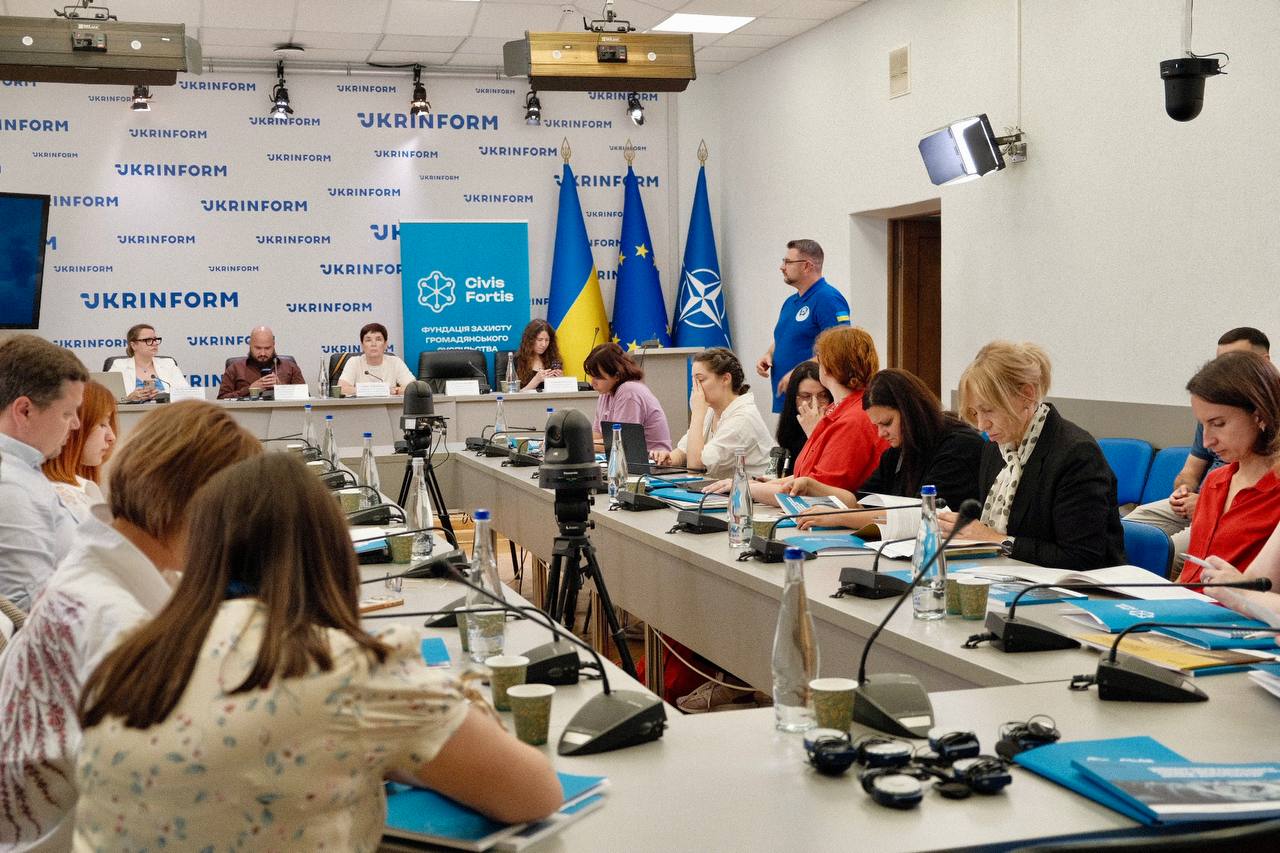
Ukraine does not have a system capable of providing full support to civilians after Russian captivity, and in the event of a mass return of people this could lead to a collapse of the assistance system. This is according to the findings of the Study “Civilians after Russian Captivity: Ukraine’s State Policy, International Experience, Roadmaps,” presented in Kyiv on August 31 by the Civis Fortis Foundation for the Protection of Civil Society.
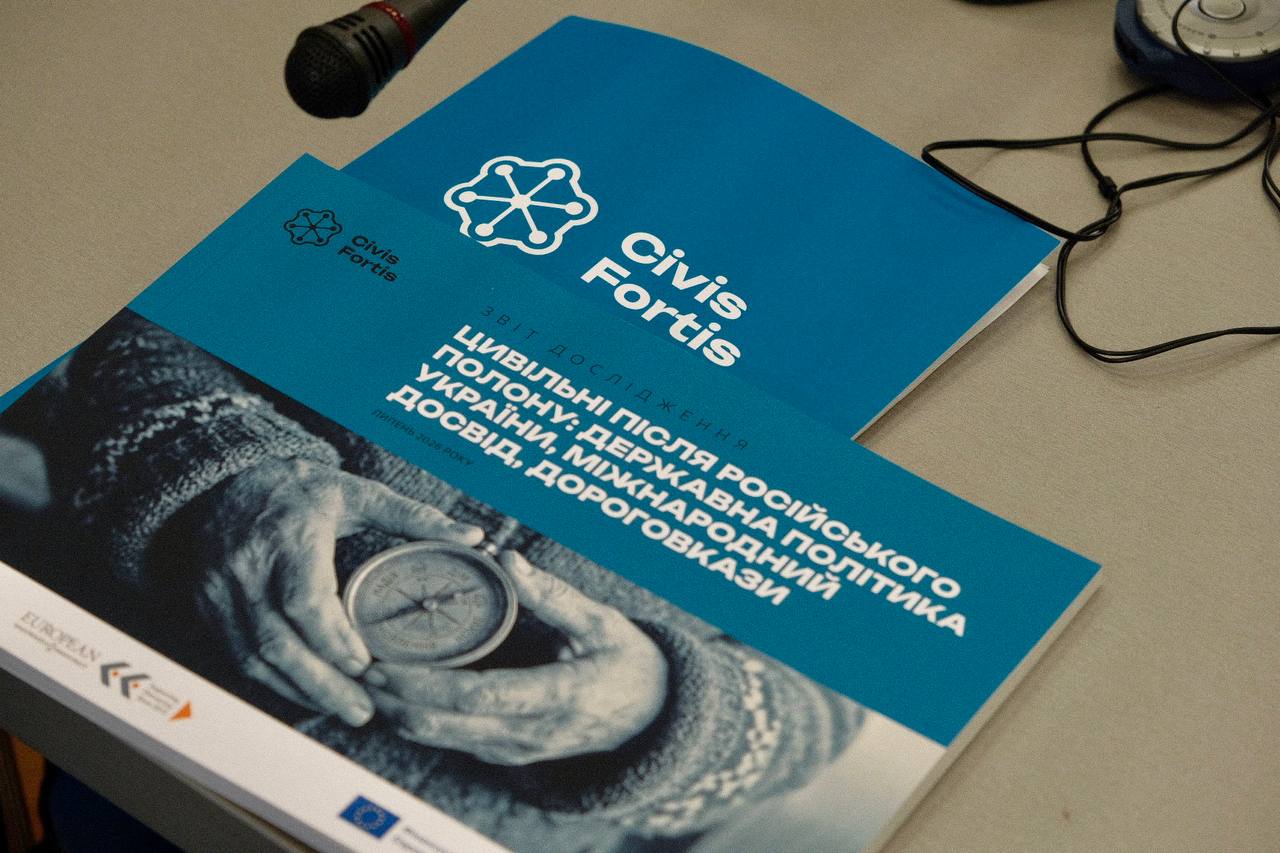
Civis Fortis analysts note that Ukraine currently lacks a unified route of assistance for civilians after release from Russian captivity, which means survivors do not know whom to contact for help, while those who returned outside official release procedures often cannot obtain status and the related guarantees. At the same time, the system of medical and psychological rehabilitation does not provide for a sufficiently long recovery period after release.
According to the Ukrainian Parliament Commissioner for Human Rights, Dmytro Lubinets, as of June 2026, 1,878 civilians held by Russia had been verified, of whom 892 were officially confirmed by the International Committee of the Red Cross (ICRC). However, the exact number of civilians in captivity remains unknown. According to various estimates by human rights defenders, the number of civilians abducted in the temporarily occupied territories ranges from 16,000 to 30,000.
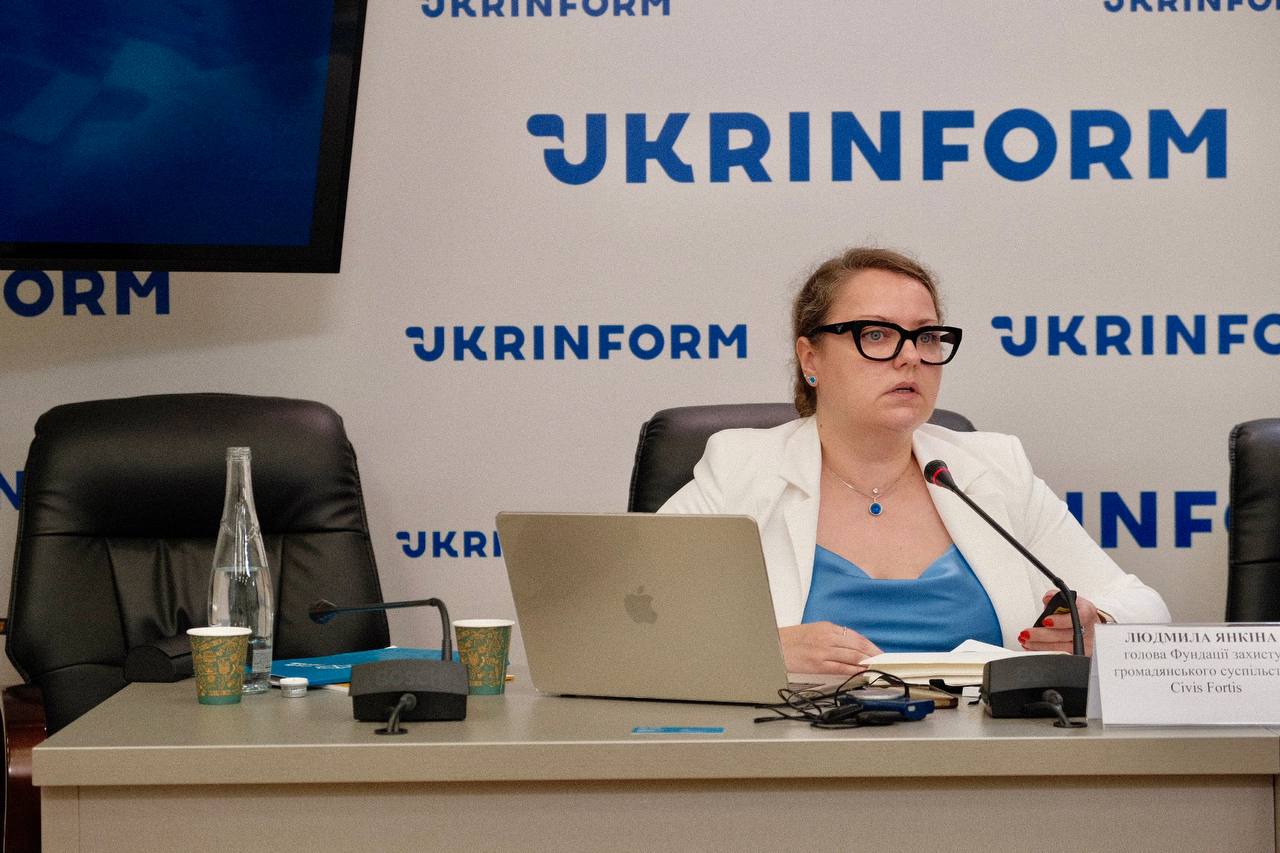
“Even today the state cannot keep up with providing even basic assistance to people returning from Russian captivity, and in the event of a mass release of thousands of captives, the support system may not be able to cope,” says Liudmyla Yankina, head of Civis Fortis.
After release, a civilian needs medical and psychological assistance, document restoration, housing, financial support, status acquisition, and resolution of other social issues. Yet today there is no unified pathway and no single body to help a person navigate all these stages after captivity. State assistance is often situational and fragmented, and a significant share of these challenges is addressed by civil society organizations.
Civis Fortis proposes introducing case management based on the “single window” principle. As Yankina explains, after release, each person should be assigned a responsible specialist — a social worker or case manager. This person helps identify the individual’s needs, directs them to the necessary specialists, and accompanies them from the moment of release through full reintegration. According to Civis Fortis specialists, the function of case managers should be performed by social workers.
The study also highlights that civilians who secured their own release are the most vulnerable group. These are people who did not return through official release procedures but may have left places of detention on their own, returned after de-occupation, or returned via third countries. It is difficult for them to obtain status after captivity and the corresponding guarantees. They often lack documents confirming their time in captivity, so they are forced to gather evidence themselves and convince the state that they were indeed held in Russian captivity.
“A real case we are supporting: a woman became disabled as a result of captivity, losing her hearing and teeth. There is a ruling from a Russian sham court and a referral for forced psychiatric treatment, and there is official confirmation from the SBU regarding the motives behind this woman’s pro-Ukrainian activity under occupation — but the Commission reviewing the granting of status still requires proof of ‘patriotic motives’ for her detention, even though the law does not provide for this. In other words, a person returns from captivity, and the first thing they hear from the state is: prove you’re not lying. This is a presumption of guilt, not protection for survivors,” says Civis Fortis head Liudmyla Yankina.
Civis Fortis proposes simplifying the procedure for establishing the fact of captivity by recognizing alternative evidence and testimony and introducing a presumption in favor of the applicant. Basic medical, psychological, and social assistance should also be provided immediately upon return, regardless of whether the person has obtained official status.
Another problem highlighted by the researchers is that after captivity, a civilian needs full rehabilitation, not a one-time medical examination. People who have been held for a long time may suffer physical consequences of torture, chronic illnesses, and psychological trauma, and may need help from various specialists. Currently, the system is mostly focused on primary care: a limited hospital stay, no guaranteed sanatorium or further rehabilitation stage, and the need to independently search for additional doctors and programs, Yankina comments.
According to Civis Fortis recommendations, rehabilitation should consist of consecutive stages lasting up to two years: initial medical examination and emergency care after release, specialized treatment and rehabilitation, and long-term support after discharge — including regular medical check-ups and psychological support.
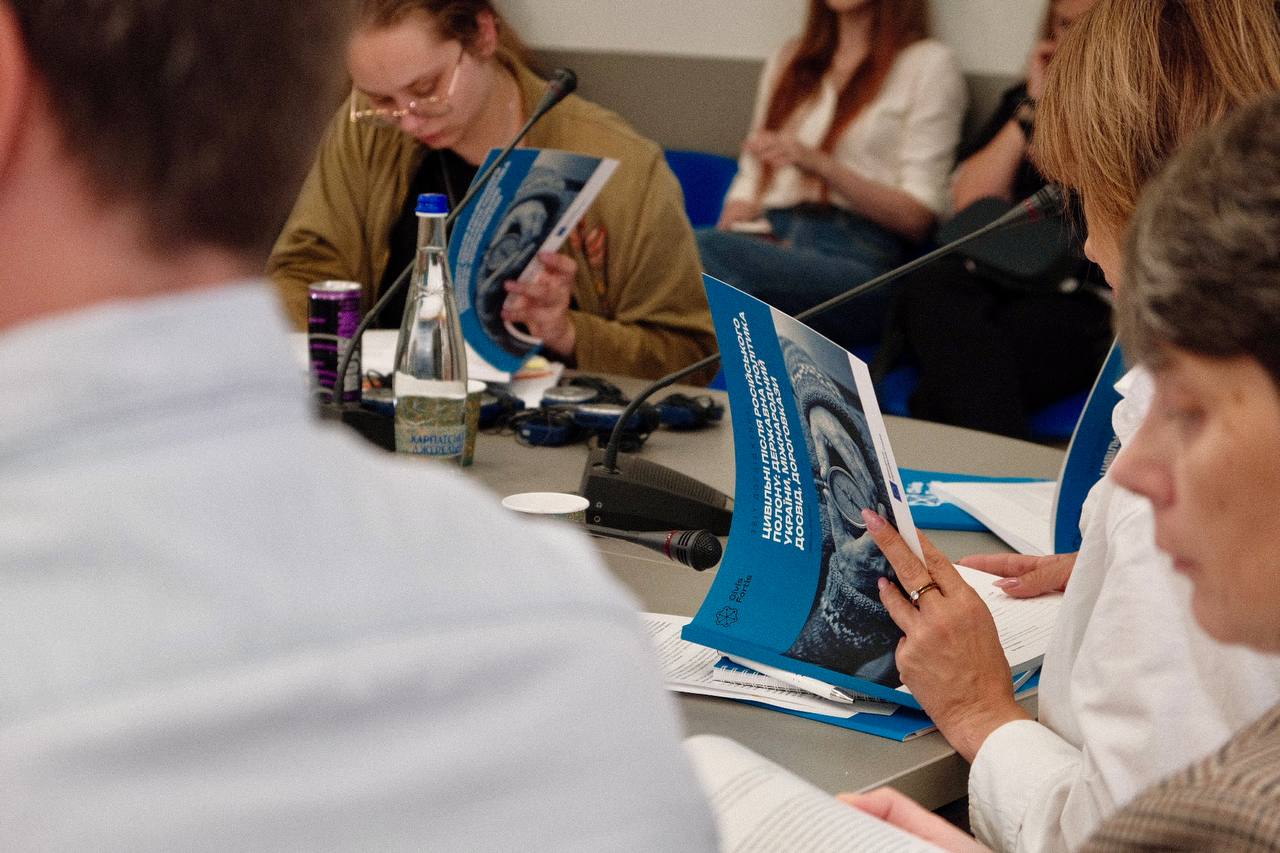
Background: The Civis Fortis study took about a year. The authors analyzed 39 court rulings, government responses to public information requests, international legislation, and the experiences of other countries. A separate empirical basis was provided by the results of a Sociological Study conducted by Civis Fortis together with the Ilko Kucheriv Democratic Initiatives Foundation, as well as the organization’s practical experience supporting more than 60 released civilians. The study consists of a Green Book, which identifies gaps and problems in the current system, and a White Book, which contains practical recommendations for state and local authorities.x
The event was held with the financial support of the European Union, provided through the European Endowment for Democracy (EED). The content of the event is the sole responsibility of Civis Fortis and does not necessarily reflect the position of the European Union and EED.